June 16, 2026
In the modern era of environmental consciousness, the way we manage our outdoor spaces is undergoing a radical transformation. Landscaping significantly influences the environment, and its impact can be either detrimental or beneficial depending on the specific practices employed. Traditional landscaping often relies on water-intensive exotic plants, gasoline-powered machinery, and heavy chemical treatments, all of which contribute to a larger carbon footprint. However, a professional landscaping contractor can play a pivotal role in promoting eco-friendly practices that not only beautify private and commercial spaces but also actively work to reduce carbon emissions.
By understanding the specific ecological needs of a landscape and implementing sustainable solutions, a landscaping contractor can transform a garden from a carbon source into a carbon sink. This comprehensive approach includes evaluating existing flora, optimizing water usage with advanced technology, and utilizing sustainable materials for construction. Through these methods, contractors aid homeowners and businesses in achieving their sustainability goals while simultaneously enhancing the aesthetic appeal and property value of their landscapes.
As global awareness of climate change and habitat loss grows, more people are seeking tangible ways to contribute to the planet's health, starting right in their own backyards. A landscaping contractor, equipped with specialized knowledge of local ecology and sustainable systems, can guide property owners in reducing their carbon footprint through the integration of native plants, efficient water management, and sustainable hardscaping solutions.
1. Understanding Your Current Landscape
The journey toward a sustainable yard begins with a baseline assessment. You cannot effectively reduce your environmental impact without first understanding the current output of your property.
The first step in reducing a landscape's carbon footprint is to evaluate the existing flora. This involves a detailed audit of the types of plants currently on the property and their specific maintenance requirements. Non-native species often require significantly more water, specialized fertilizers, and frequent pruning, all of which increase the carbon emissions associated with their care. By identifying these high-maintenance plants, a landscaping contractor can recommend eco-friendly alternatives that are more sustainable and easier to maintain over the long term.
Soil and water assessments are crucial in determining the underlying health of a landscape. Healthy, living soil is not just a medium for growth; it is a vital tool for carbon sequestration. Contractors analyze soil composition, drainage, and nutrient levels to recommend organic amendments that improve soil structure without the use of petroleum-based fertilizers. Additionally, current water usage is examined to identify inefficiencies, such as over-taxed irrigation zones or significant runoff issues.
2. Implementing Native Plant Species
The choice of vegetation is perhaps the most impactful decision in sustainable design. Moving away from "lawn-only" landscapes toward diverse, native ecosystems is a hallmark of green landscaping.
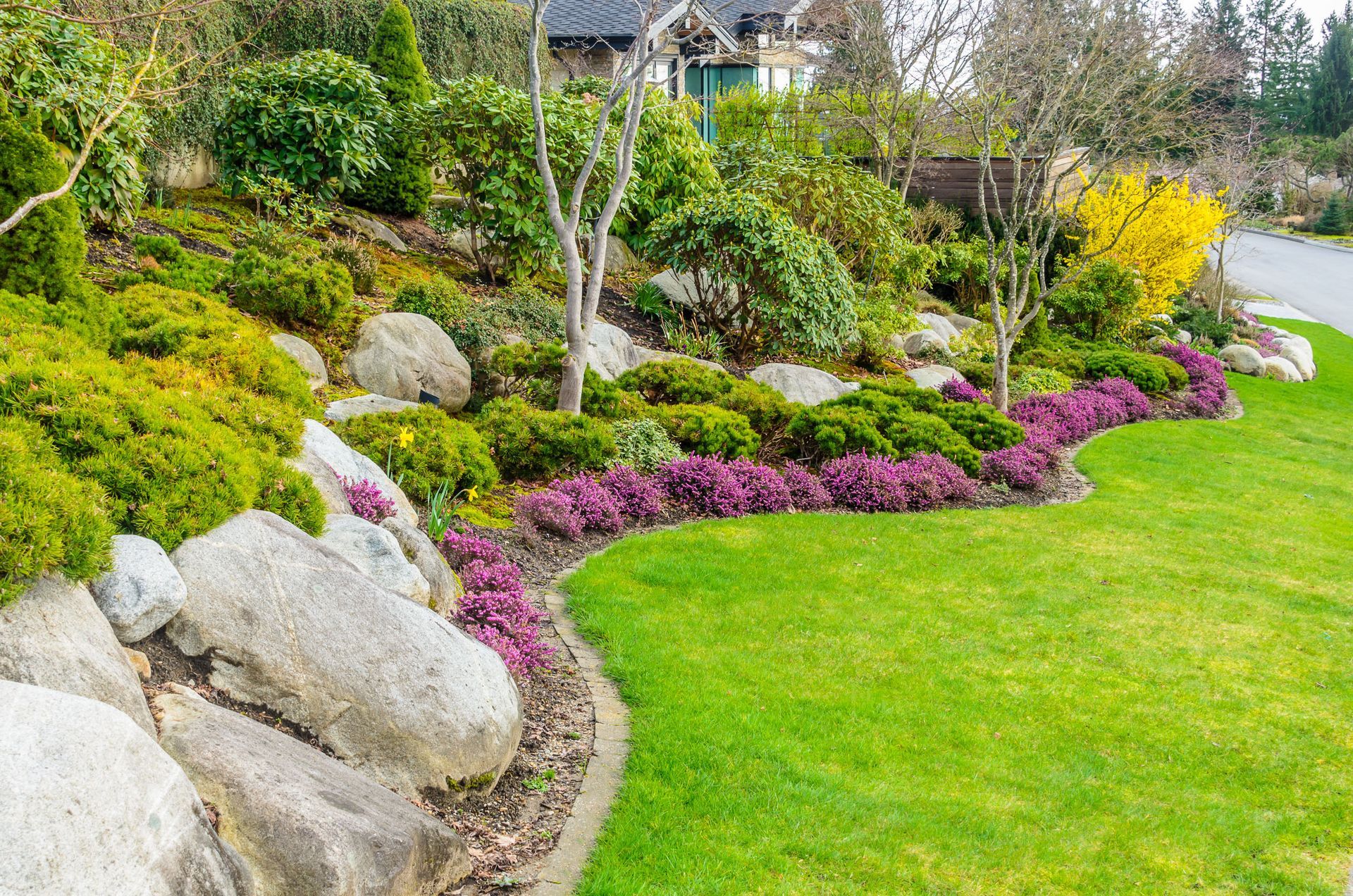
Native plants offer a multitude of benefits that make them the ideal choice for any sustainable project. These species have spent thousands of years adapting to the local climate, meaning they naturally require less supplemental water and human intervention. According to the National Wildlife Federation, 17% of surveyed adults specifically prioritize native plants in their gardens and landscapes, with even more people focusing on varieties that benefit pollinators. This shift reflects a broader understanding that our gardens must serve a functional ecological purpose.
The adaptability of native plants is a significant advantage. Because these plants have evolved to thrive in a region's specific soil and weather patterns, they are inherently more resilient against local pests and diseases. As a result, they require fewer chemical treatments, which reduces the harmful runoff and emissions associated with the manufacturing and transport of synthetic pesticides. Furthermore, native plants provide essential habitats and food sources for local birds and insects, creating a vibrant, biodiverse ecosystem that supports the local food web.
3. Efficient Water Management Techniques
Water is a finite resource, and the energy used to treat and transport it to residential areas carries a heavy carbon price tag. Efficient management is therefore a cornerstone of carbon reduction.
Unlike traditional spray heads that lose a significant percentage of water to evaporation and wind drift, drip irrigation systems deliver water directly to the plant's root zone. This precision promotes healthy growth while minimizing waste. To further enhance this, a landscaping contractor can install smart irrigation controllers. These devices use real-time weather data and soil moisture sensors to adjust watering schedules automatically, ensuring that the system never runs during a rainstorm or when the soil is already saturated.
Rainwater harvesting is a sustainable technique that captures and stores free water from the sky for later use. Contractors can install aesthetically pleasing rain barrels or hidden underground cisterns to collect runoff from rooftops. Similarly, greywater recycling involves repurposing gently used wastewater from sinks or showers for sub-surface irrigation. These innovative approaches reduce the demand on municipal water supplies and decrease the energy needed for large-scale water treatment.
4. Sustainable Hardscaping and Organic Care
The "hard" elements of a landscape—patios, walkways, and walls—can also be optimized for environmental health, alongside the organic methods used to maintain the lawn.
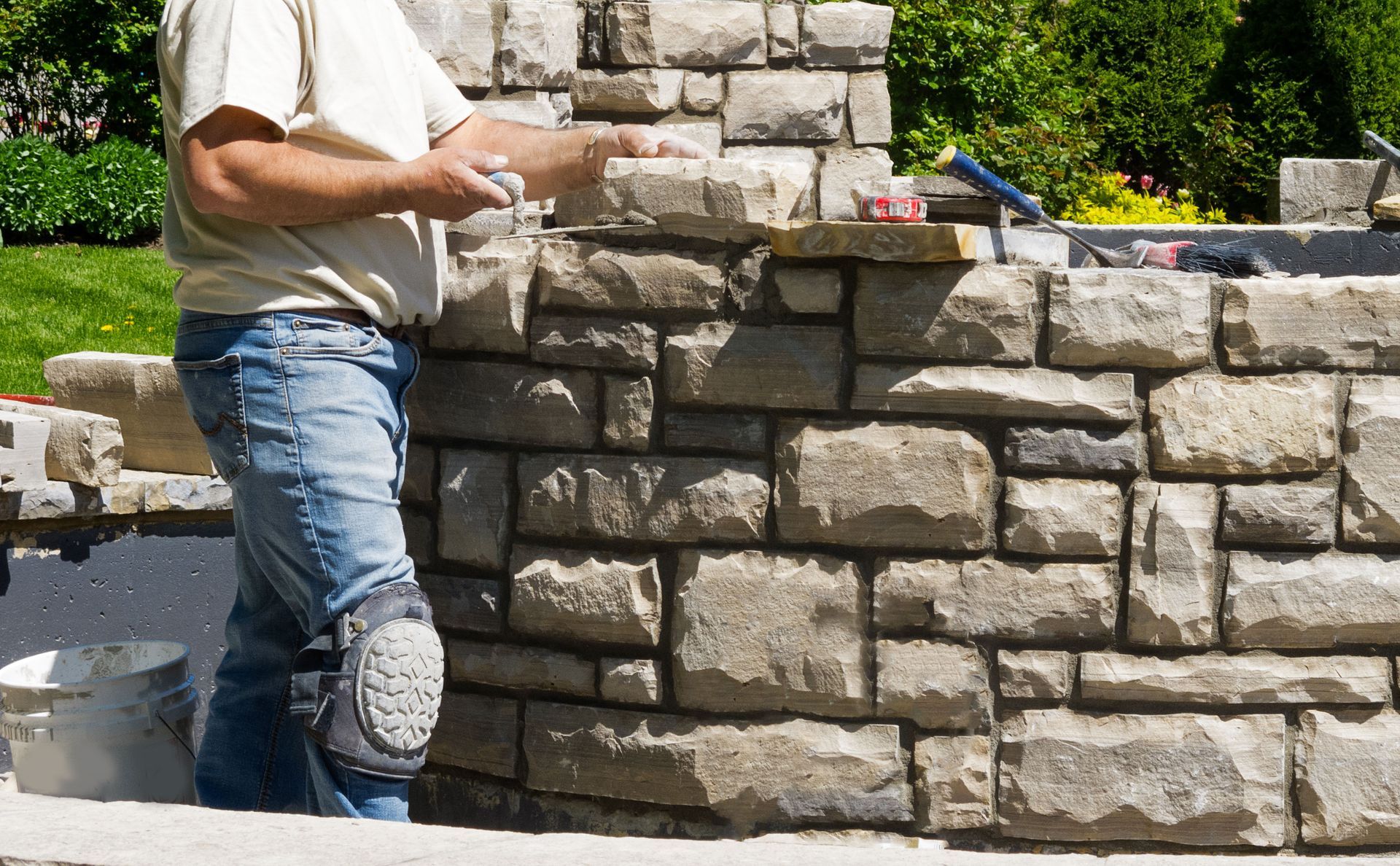
Traditional concrete and asphalt are "impermeable," meaning they force rainwater into storm drains rather than letting it soak into the ground. Permeable paving allows water to infiltrate through the surface, recharging groundwater and reducing the energy-intensive management of urban runoff. Additionally, using recycled materials—such as reclaimed wood or crushed recycled glass—minimizes the carbon cost of extracting and transporting new raw materials.
Organic lawn care prioritizes the biology of the soil over the chemistry of the plant. A landscaping contractor can implement natural fertilization programs using compost tea or organic minerals. Composting on-site is another effective way to recycle yard waste and kitchen scraps, turning "trash" into nutrient-rich soil. This closed-loop approach eliminates the need for plastic-bagged fertilizers and reduces the amount of organic waste sent to landfills, where it would otherwise produce methane, a potent greenhouse gas.
5. Enhancing Carbon Sequestration
Finally, the most active way a landscape can fight climate change is through sequestration—the process of capturing atmospheric carbon and storing it in plant tissue and soil.
Tree planting is the gold standard for carbon sequestration. Trees absorb massive amounts of CO2 over their lifetimes. A landscaping contractor can develop strategic planting plans that maximize this effect while providing shade to the home, which further reduces carbon by lowering air conditioning needs. In urban areas where ground space is limited, building green walls or "living walls" provides a vertical solution for carbon storage and air purification.
Sustainable landscaping practices offer significant potential for reducing individual carbon footprints and promoting localized environmental health. By collaborating with a knowledgeable landscaping contractor, property owners can transform their outdoor areas into eco-friendly sanctuaries that support biodiversity, conserve vital resources, and actively sequester carbon. The integration of native plants, advanced water management, and organic maintenance is not just a trend—they are an essential strategy for a sustainable future.
As the demand for eco-friendly solutions continues to grow, the role of the contractor becomes even more vital. These professionals bridge the gap between environmental ideals and practical, beautiful results. By prioritizing sustainability today, you are making a lasting investment in the health of your community and the planet.
If you are ready to reduce your environmental impact and create a thriving, low-maintenance garden, now is the time to take action. For expert guidance on sustainable design and installation, contact Bridges Elite Landscapes to begin your journey toward a greener home.