June 28, 2026
The integration of retaining walls into eco-friendly landscaping offers numerous ecological benefits while enhancing the visual appeal of outdoor spaces. These structures are capable of transforming landscapes into environmentally sustainable areas by controlling soil erosion, managing water efficiently, and providing habitats for biodiversity. This article explores the multifaceted benefits of retaining walls, highlighting their potential to support sustainable landscaping practices.
By understanding the role of retaining walls, homeowners, landscapers, and urban planners can make informed decisions that benefit both the environment and their aesthetic goals. The strategic placement and design of retaining walls not only conserve resources but also contribute positively to local ecosystems. As we delve into the following sections, we will address the various ways retaining walls can be integrated into sustainable landscape designs, emphasizing both their ecological and economic advantages.
While aesthetically pleasing, retaining walls also serve a functional purpose, making them a critical component in eco-friendly landscaping. Their ability to manage land effectively, coupled with modern design innovations, means they can seamlessly blend with natural landscapes. The ensuing sections will provide in-depth insights into the types, benefits, and sustainable design principles associated with retaining walls.
Understanding the Basics of Retaining Walls
Definition and Types of Retaining Walls
Retaining walls are structures designed to hold back soil and stabilize sloped areas in a landscape. They are crucial in preventing erosion and managing inclines, making them invaluable in both residential and commercial settings. There are several types of retaining walls, including gravity walls, cantilevered walls, sheet piling walls, and anchored walls, each serving specific needs. Gravity walls rely on their massive weight to contain soil, while cantilever walls use a reinforced base to hold back material. Sheet piling walls are typically used in softer soils, and anchored walls incorporate cables or other stays for additional support.
Every type of retaining wall has its unique advantages and is selected based on the landscape's requirements and the soil characteristics. For example, gravity walls are ideal for short landscaping distances, while cantilevered walls can support taller structures. Understanding the different types of retaining walls is foundational for implementing them effectively in eco-friendly designs. This knowledge allows designers to choose the right wall type that aligns with the environmental goals and aesthetic preferences of the project.
Materials Commonly Used
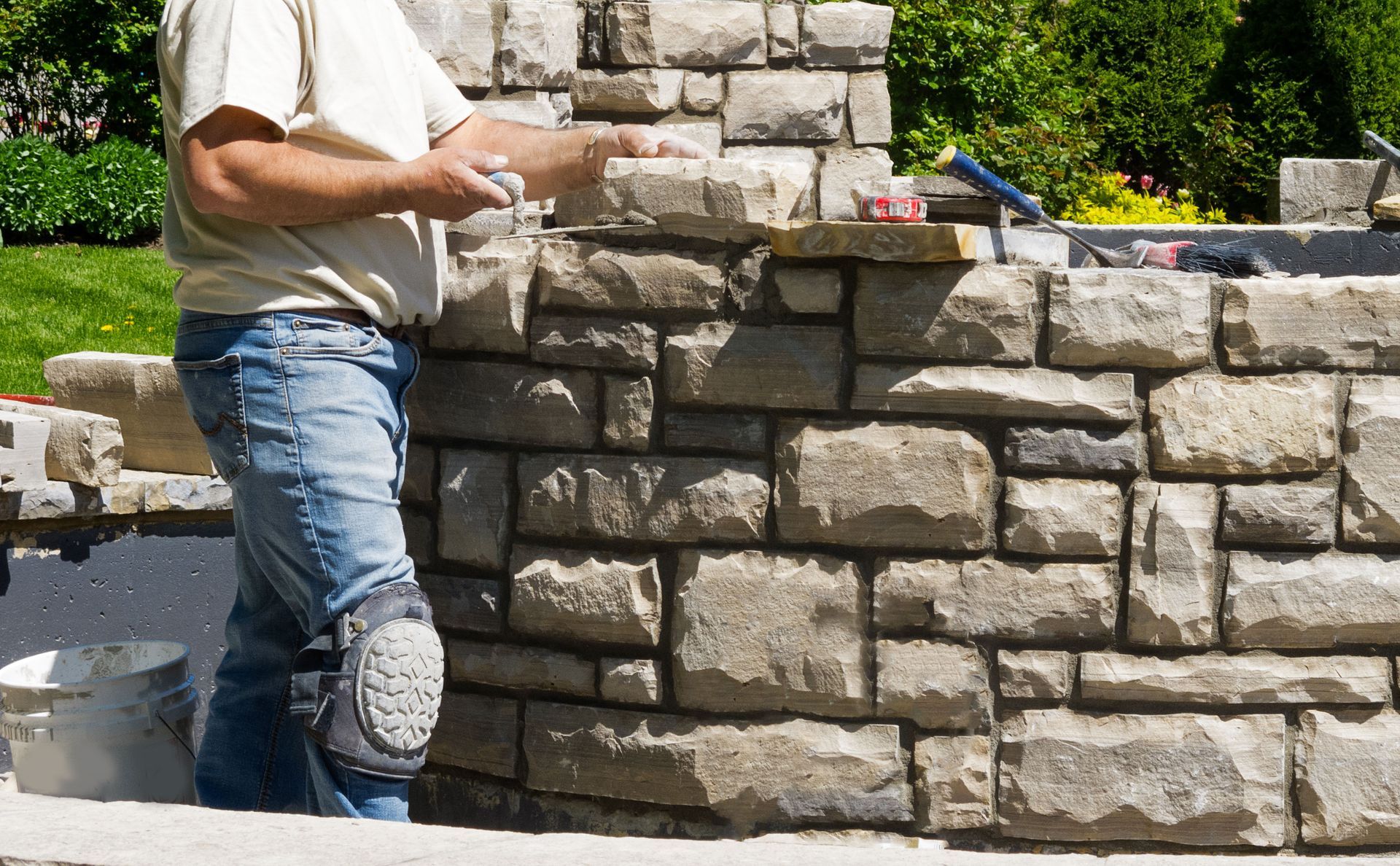
Various materials are commonly used in the construction of retaining walls, each with its unique set of environmental implications. Traditional materials such as concrete, stone, and brick provide sturdy and durable options, with concrete being one of the most popular choices due to its long-life span and strength. However, eco-friendly alternatives like recycled materials, gabions, and bamboo are increasingly used to minimize environmental impacts. Recycled materials like crushed concrete or reclaimed stone offer sustainable solutions that reduce resource consumption and waste. Gabions, which are cages filled with stones or recycled concrete, provide a natural appearance and are excellent for drainage.
Incorporating sustainable materials into retaining wall construction not only protects against erosion and water damage but also enhances the environmental efficiency of a landscape. Using recycled materials can significantly lower the carbon footprint associated with building new infrastructure. Moreover, natural stones and gabion walls offer habitats for small creatures, promoting biodiversity. The choice of materials should align with the specific environmental goals of the landscaping project, maximizing both ecological and aesthetic outcomes.
Functionality in Landscape Management
Retaining walls serve numerous functions in landscape management, primarily in controlling land slopes and preventing soil erosion. Their implementation allows for the creation of flat usable space in sloped areas, effectively expanding garden or property use. By holding back soil and stabilizing terraces, these walls prevent landslides and surface runoff, protecting landscapes from deterioration. Additionally, retaining walls play a key role in directing water flow, thereby preventing waterlogging and reducing maintenance needs for landscaping. Strategically designed retaining walls can transform challenging landscapes into functional and beautiful spaces.
In addition to managing slope stability, retaining walls are instrumental in handling water conservation efforts within a landscape. Properly designed walls incorporate drainage solutions to efficiently channel water away from certain areas, reducing water waste and promoting hydrological balance. According to Green Industry Pros, residential outdoor water use across the U.S. makes up almost 8 billion gallons of water each day, mainly for landscape irrigation. With appropriate management and design of retaining walls, significant amounts of water can be saved, highlighting their importance in sustainable landscaping practices.
Environmental Benefits of Retaining Walls
Soil Erosion Control
One of the most significant environmental benefits of retaining walls is their ability to prevent soil erosion, a natural process that can cause severe degradation of landscapes. Soil erosion can lead to the loss of fertile topsoil, adversely affecting plant growth and biodiversity. Retaining walls act as physical barriers that stabilize soil, preventing it from being washed away. By controlling erosion, retaining walls help maintain the health and productivity of the soil, supporting sustainable agriculture and landscaping. These structures are especially vital on slopes and embankments, where soil erosion is most likely to occur.
The prevention of soil erosion is critical for maintaining the ecological balance and agricultural productivity of an area. Without proper measures, the effects of erosion can extend beyond the immediate landscape, impacting waterways and contributing to sedimentation and pollution. Retaining walls contribute to soil conservation by providing a physical structure that contains soil while allowing water to flow through designed drainage systems. This dual functionality makes them an essential tool for land management. By mitigating the effects of soil erosion, retaining walls contribute to preserving valuable topsoil and promoting sustainable land use.
Water Conservation and Management
Retaining walls are valuable tools in water conservation and management, facilitating better water flow and reducing waste. By incorporating drainage systems, these walls help direct water to specific areas, preventing issues such as waterlogging or excessive surface runoff. This capability is crucial given that residential outdoor water use across the U.S. accounts for nearly 8 billion gallons of water every day, mainly for landscape irrigation. Retaining walls contribute to more efficient water distribution, ensuring that landscapes receive adequate hydration without unnecessary water loss. Through improved water management, they help reduce the demand for additional irrigation, conserving this critical natural resource.
In addition to managing surface water, retaining walls can support groundwater recharge by allowing water to infiltrate the soil in a controlled manner. By stabilizing the landscape, these walls reduce surface runoff, promoting better water absorption into the ground. This function is particularly beneficial in areas prone to drought or with limited water availability. By preventing water from rapidly exiting a landscape, retaining walls play a pivotal role in maintaining soil moisture levels and supporting plant growth. Effective water conservation strategies help sustain landscapes through seasonal variations, reducing the dependency on supplementary watering.
Supporting Biodiversity
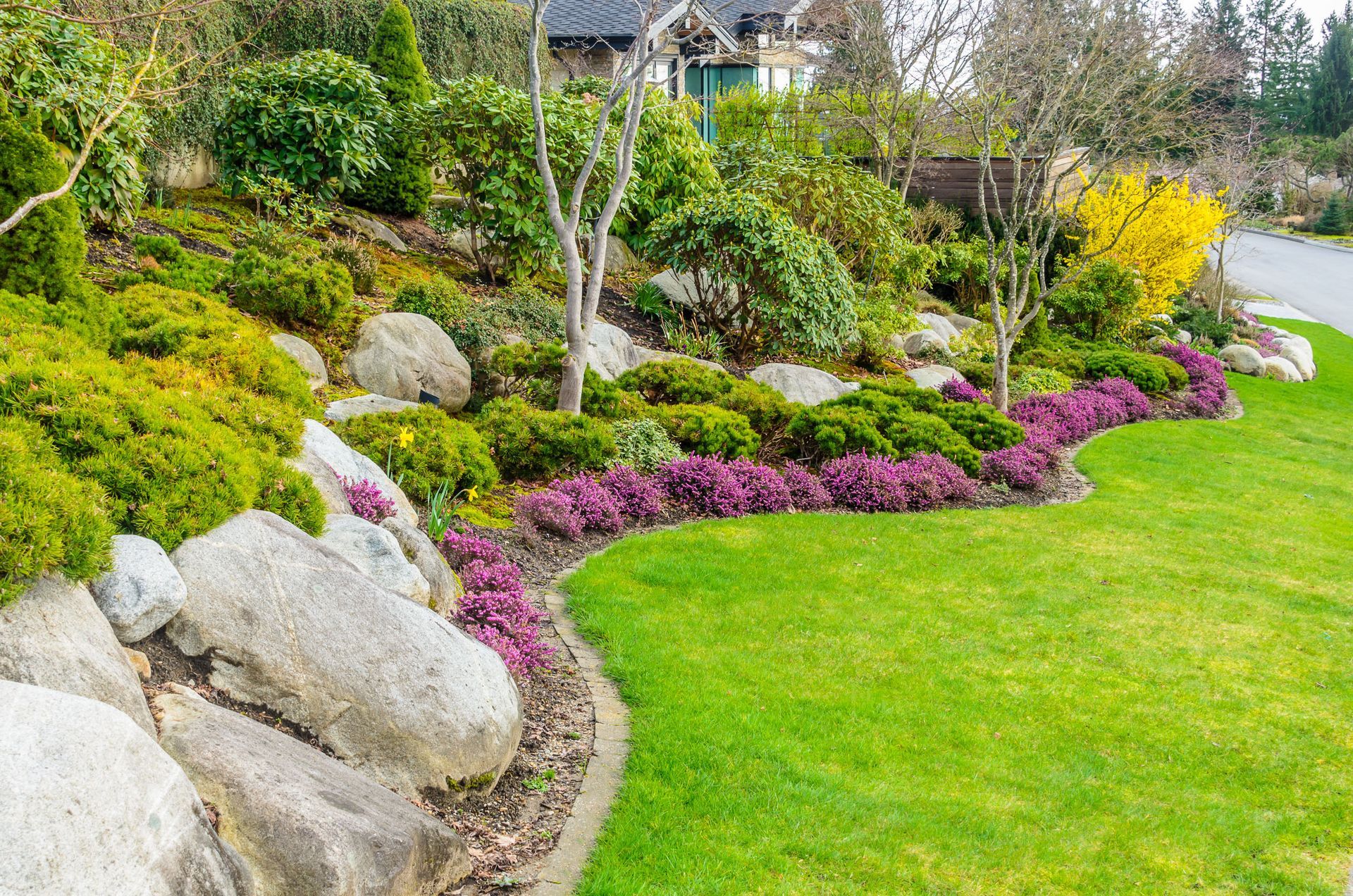
Biodiversity enhancement is an often-overlooked benefit of integrating retaining walls into landscapes. By creating diverse habitats and microclimates, retaining walls can support a wide variety of plant and animal life. The structural elements of these walls provide niches and safe havens for insects and small animals, which play vital roles in ecosystem functioning. Native plants can be incorporated into retaining wall designs, supporting the growth of local flora and providing food sources for pollinators. Through thoughtful design and planting, retaining walls can significantly contribute to the biodiversity of an area.
The establishment of diverse plant species around retaining walls promotes ecological resilience and stability. These plants support food webs and ecological interactions, enhancing the overall health of the landscape. By serving as vertical gardens or terraced spaces,
retaining walls offer additional growing areas for plants, contributing to increased biodiversity. This aspect is particularly beneficial in urban landscapes, where green spaces are limited. Retaining walls provide a practical solution for integrating natural elements into city environments, supporting wildlife corridors and green infrastructure. By making data-driven choices regarding wall layouts and eco-centric materials, urban planners and homeowners can protect valuable topsoil, conserve critical water resources, and foster local biodiversity—proving that structural necessity can seamlessly align with ecological harmony. Reach out to Bridges Elite Landscapes today for all your eco-friendly landscaping needs.